Introduction
If you’re getting into DIY projects or woodworking, one of the most common questions is whether you need a drill, an impact driver, or both. At first glance they look very similar, and many beginner tool kits even bundle them together.
The truth is that these tools serve different purposes. A drill is designed to drill holes and drive screws with precision, while an impact driver is designed to deliver high torque for driving long screws and heavy fasteners.
Understanding the difference will help you avoid wasting money and choose the right tool for the projects you plan to build.
If you’re just starting to build your tool collection, check out my guide to the best beginner woodworking tools.
What Is a Drill?
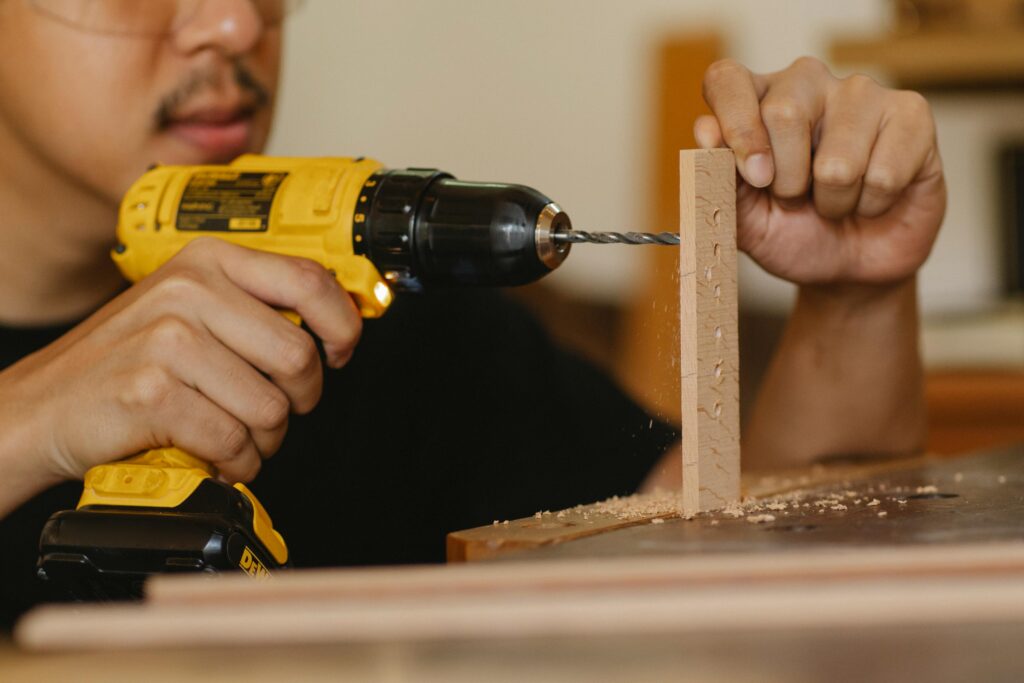
A drill (often called a cordless drill or drill/driver) is one of the most versatile tools you can own. It is designed to both drill holes and drive screws.
Most drills have a clutch that allows you to control how much torque the tool applies. This helps prevent overdriving screws and stripping materials.
A drill uses a three-jaw chuck that can hold a wide variety of bits including drill bits, screwdriver bits, hole saws, and specialty attachments.
Because of this versatility, drills are commonly used for tasks like:
• drilling holes in wood, drywall, or light metal
• assembling furniture
• installing cabinets or shelving
• driving small to medium screws
• general home repairs
For most homeowners and beginners, a cordless drill is usually the first power tool purchased because it can handle a huge range of tasks.
What Is an Impact Driver?
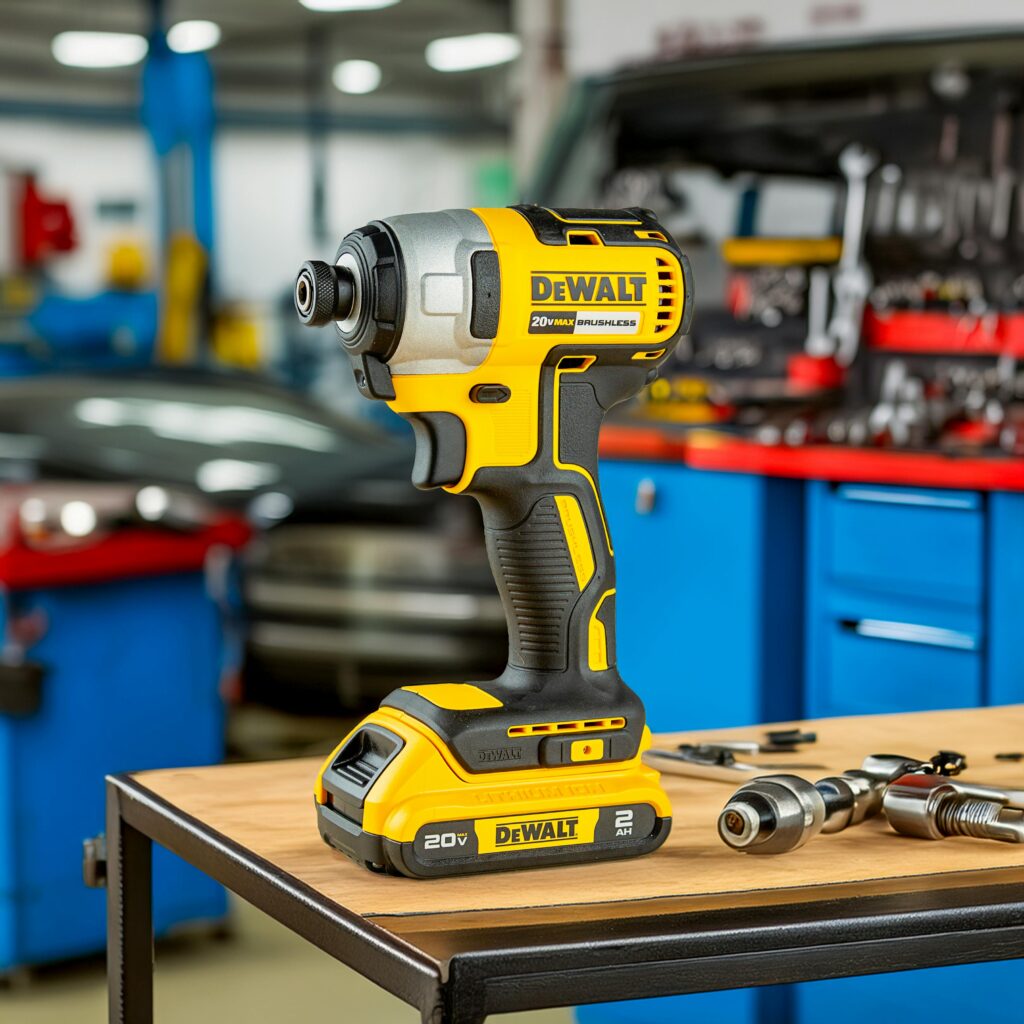
An impact driver is designed specifically for driving screws and fasteners that require a lot of torque.
Instead of using steady rotational force like a drill, an impact driver uses a combination of rotation and rapid hammering impacts. This internal hammering action allows the tool to drive long screws or lag bolts with much less effort.
Impact drivers use a quick-change 1/4-inch hex chuck, which allows you to swap driver bits quickly but does not accept standard round drill bits.
Impact drivers are commonly used for:
• driving long structural screws
• deck building
• framing projects
• installing lag bolts
• heavy construction fastening
Because of the hammering action, impact drivers can drive screws that would stall a regular drill.
Key Differences Between a Drill and an Impact Driver
Although they look similar, these tools operate very differently.
Torque
Impact drivers produce significantly more torque than drills. This allows them to drive larger fasteners without bogging down.
Speed and Control
Drills offer more control thanks to adjustable clutches and multiple speed settings. This makes them better for precision work.
Noise
Impact drivers are noticeably louder due to their hammering mechanism.
Chuck Type
Drills use a traditional three-jaw chuck that can hold many types of bits. Impact drivers use a 1/4-inch hex quick-change chuck designed mainly for driver bits.
Best Use Cases
Drills are better for drilling holes and lighter screw driving. Impact drivers excel at heavy screw driving and construction work.
Which Tool Should Beginners Buy First?
If you are just starting out, a drill is usually the better first purchase.
A drill is more versatile and can handle a wider variety of tasks including drilling holes and driving screws. Most beginner DIY projects can easily be completed with a good cordless drill.
An impact driver becomes more useful once you begin building larger projects that involve long screws or structural fasteners.
Many homeowners eventually own both tools because they complement each other well.
When You Actually Need Both
Contractors and experienced builders often use both tools at the same time.
A common workflow looks like this:
The drill is used to drill pilot holes or countersinks.
The impact driver is then used to drive the screw quickly and efficiently.
This approach saves time and reduces wear on the drill while taking advantage of the impact driver’s high torque.
For projects like decks, pergolas, outdoor furniture, and framing, having both tools can significantly speed up the work.
My Recommendation for DIY Builders
For most beginners, start with a quality cordless drill from a reputable tool brand.
Once you start tackling larger projects like decks, outdoor furniture, or structural builds, adding an impact driver becomes extremely helpful.
Having both tools eventually allows you to drill and drive screws more efficiently without constantly switching bits.
In my most honest opinion, if funds are available, the drill and impact driver combo is one of the most useful tool setups you can own.
Final Thoughts
Understanding the difference between an impact driver and a drill helps you choose the right tool for the job.
A drill is the most versatile tool for beginners and general home projects. An impact driver shines when it comes to driving long screws and heavy fasteners.
As your projects grow, owning both tools will make building faster, easier, and far more efficient.