
Choosing the right wood is one of the most important decisions when building outdoor furniture. Outdoor environments expose materials to moisture, sunlight, insects, and seasonal temperature changes. Using the wrong wood can cause furniture to rot, warp, or break down much faster than expected.
In this guide, we’ll cover the best wood options for outdoor furniture and explain how each performs in real-world outdoor conditions.
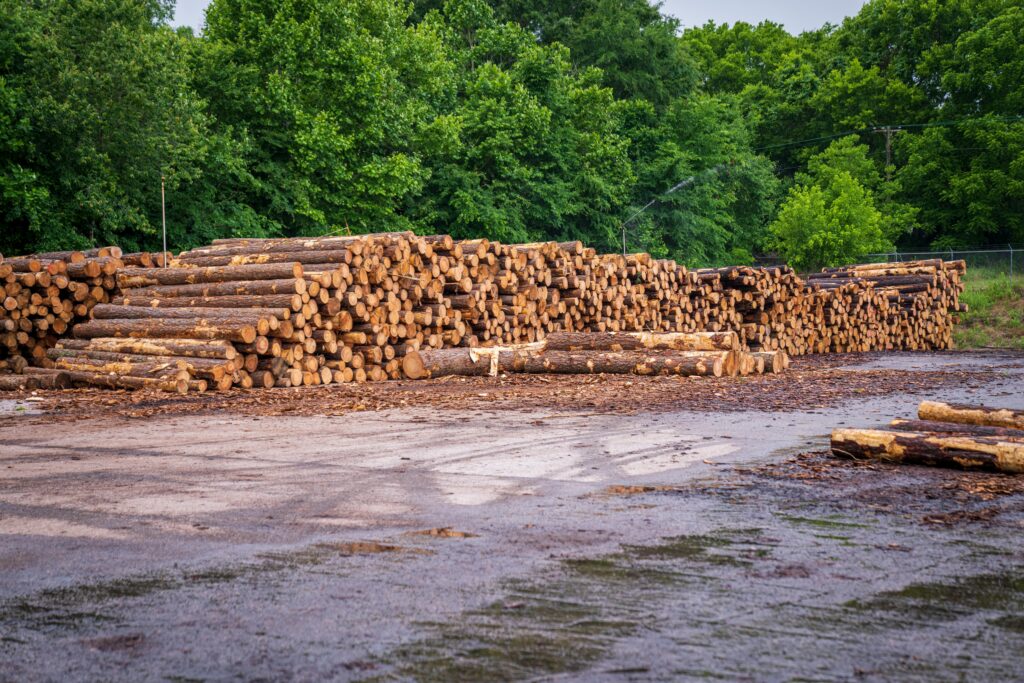
What Makes Wood Good for Outdoor Furniture
Outdoor furniture needs to withstand a much harsher environment than indoor furniture. The best woods for outdoor use typically have characteristics such as:
• resistance to moisture
• resistance to insects
• resistance to rot and decay
• stability when exposed to temperature changes
Some woods naturally resist these problems, while others rely on chemical treatment to survive outdoors.
Understanding the strengths of each material helps ensure your outdoor project lasts for years.
Pressure Treated Lumber
Pressure treated lumber is one of the most common materials used in outdoor construction.
It is chemically treated to resist:
• rot
• insects
• moisture damage
Because of this treatment, pressure treated lumber is commonly used for decks, outdoor structures, and structural outdoor furniture.
It is also widely available and much more affordable than premium outdoor woods.
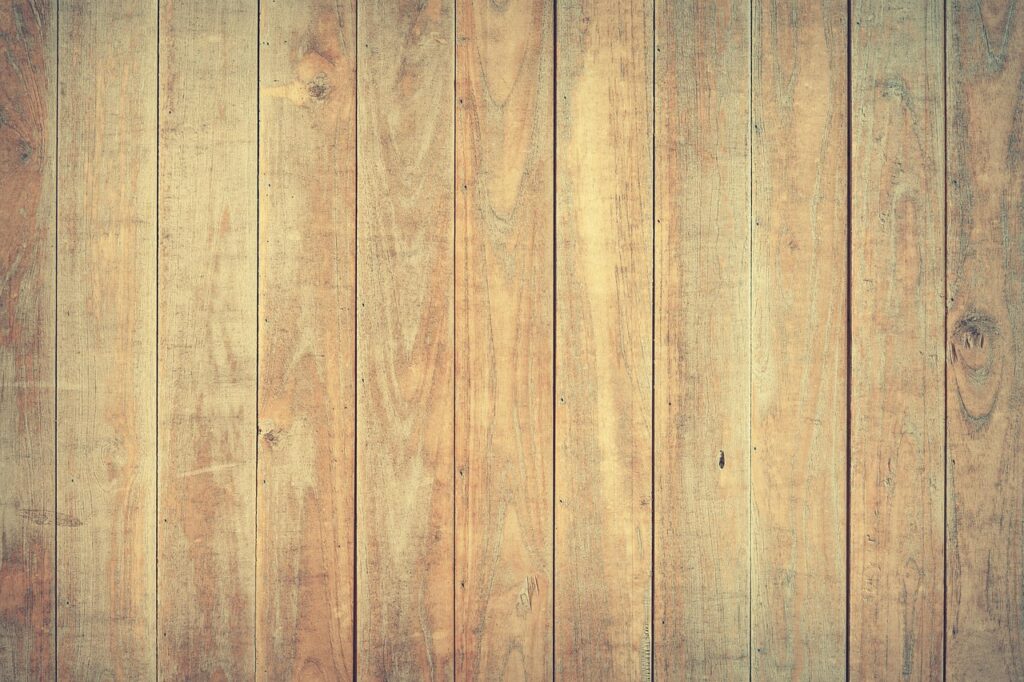
Important Note About Pressure Treated Lumber
Fresh pressure treated lumber contains a high amount of moisture from the treatment process. Because of this, applying paint, stain, or sealant too soon will usually lead to finishing problems.
In many environments, pressure treated lumber should be allowed to dry outdoors for several months to a year before applying coatings.
This is one of the most common mistakes people make when finishing outdoor projects.
Cedar and Pine
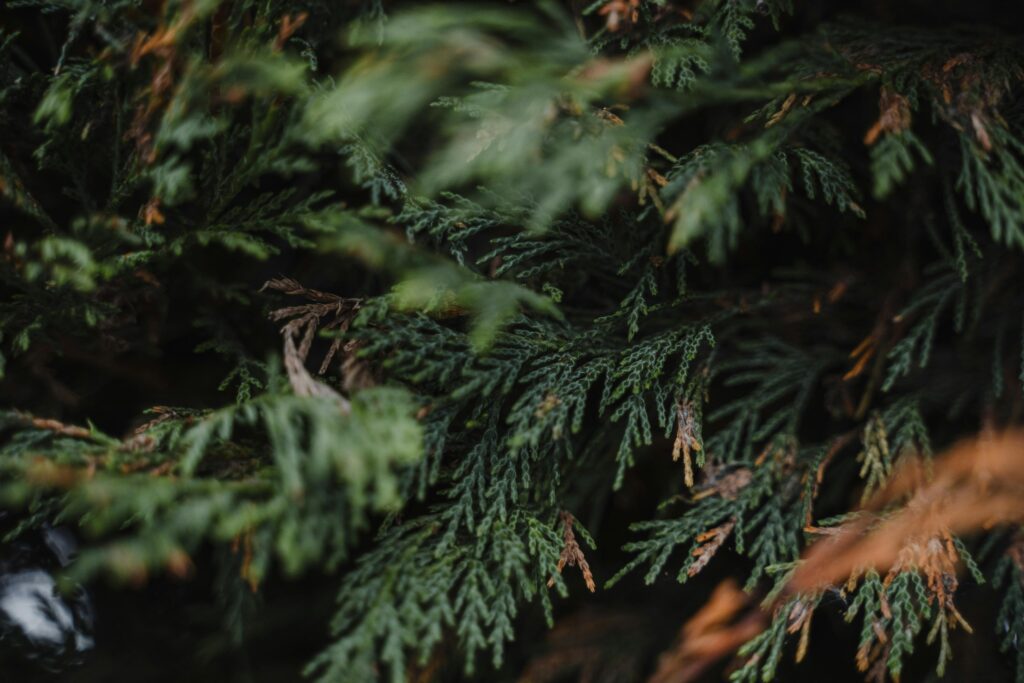
Cedar and pine are both common wood choices used in outdoor furniture builds.
Cedar naturally resists rot and insects because of the natural oils in the wood. This makes it a popular option for outdoor furniture and exterior projects.
Pine, on the other hand, is often used in outdoor builds when it has been pressure treated to resist moisture, insects, and rot.
Advantages of cedar and pine include:
• lightweight and easy to work with
• widely available
• attractive natural grain (especially cedar)
However, cedar and pine are softer woods and can dent more easily than harder species. Depending on the grade and location, cedar can also be more expensive than pressure treated lumber.
Both woods are commonly used for:
• patio furniture
• garden benches
• decorative outdoor projects
Redwood
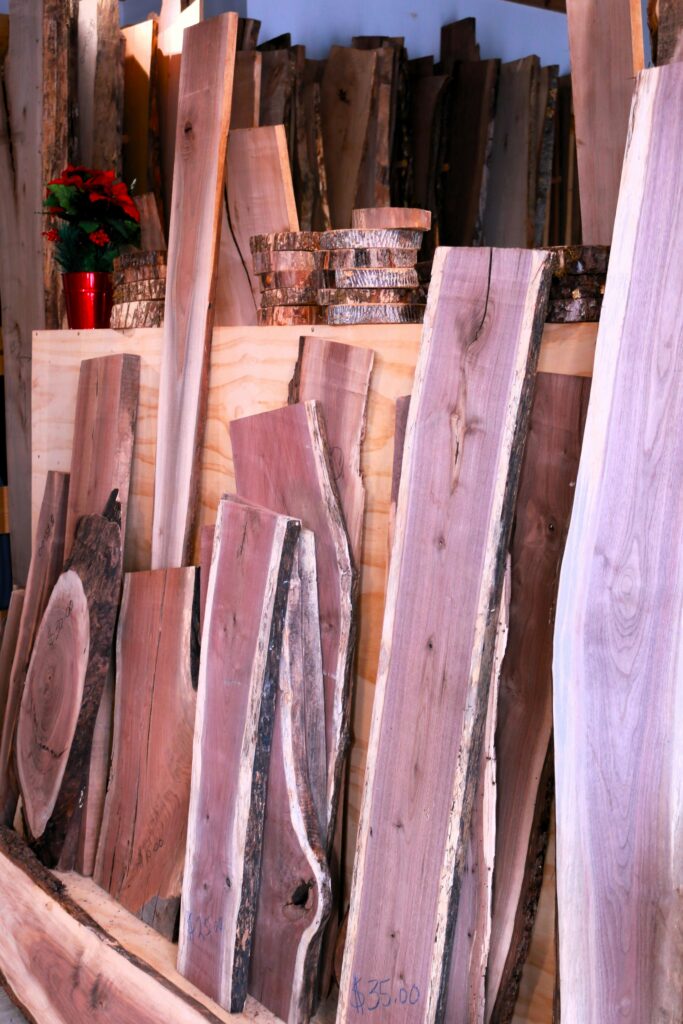
Redwood performs extremely well outdoors because it contains natural oils that resist moisture and insects.
Advantages include:
• strong natural resistance to rot
• attractive color and grain
• good dimensional stability
The main drawback is cost. Redwood is significantly more expensive than pressure treated lumber and is not widely available in all parts of the United States.
Because of this, redwood is typically used in higher-end outdoor furniture builds.
Teak
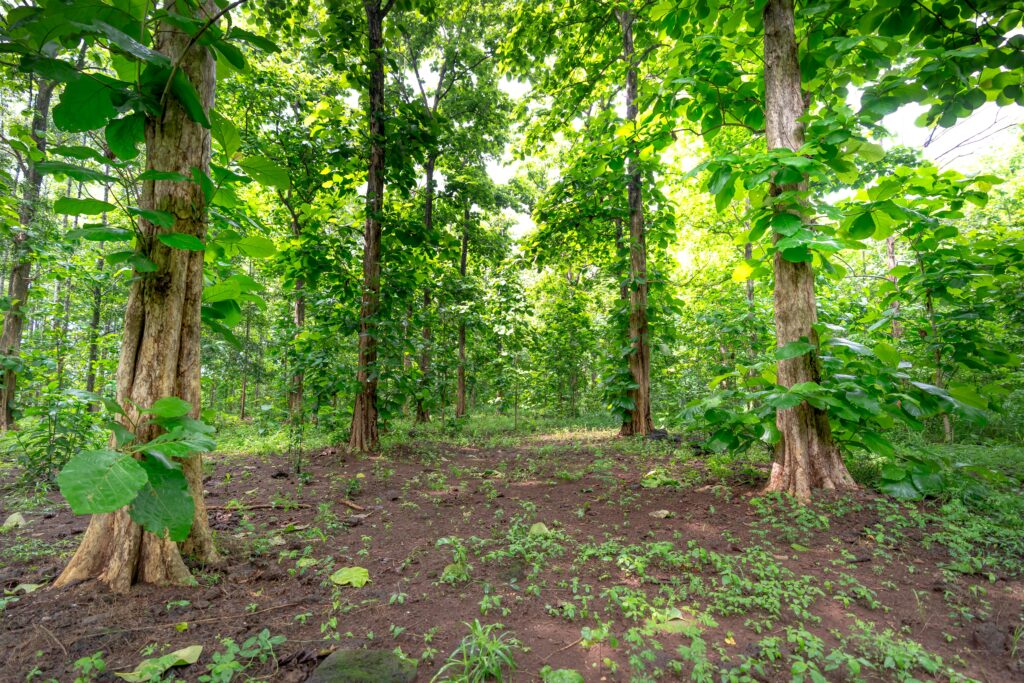
Teak is widely considered the premium wood for outdoor furniture.
Its natural oils make it extremely resistant to moisture and weather exposure.
Advantages of teak include:
• excellent weather resistance
• extremely durable
• beautiful aging appearance over time
However, teak is very expensive and typically used in high-end furniture.
For most DIY builders, the cost makes it impractical for larger projects.
Best Wood for DIY Outdoor Furniture
For many DIY outdoor furniture projects, pressure treated lumber offers the best balance of durability and cost.
When used correctly and allowed to dry properly before finishing, pressure treated lumber can produce outdoor furniture that lasts for many years.
Many large outdoor seating builds — including outdoor sectionals and built-in seating — are constructed using pressure treated framing combined with decking boards for seating surfaces.
This approach provides strong structural support while remaining relatively affordable.
Final Thoughts
Outdoor furniture must handle constant exposure to weather, moisture, and sunlight.
Choosing the right wood and using solid construction methods dramatically improves the durability of your project.
Whether you choose pressure treated lumber, cedar, redwood, or teak, understanding how each material performs outdoors will help ensure your build lasts for years.
Upcoming Build Guide
If you’re interested in building your own outdoor seating, keep an eye out for our upcoming guide on building a 9-foot outdoor sectional using contractor-style framing methods.
This project focuses on durability, simple construction techniques, and materials that are accessible to most DIY builders.